
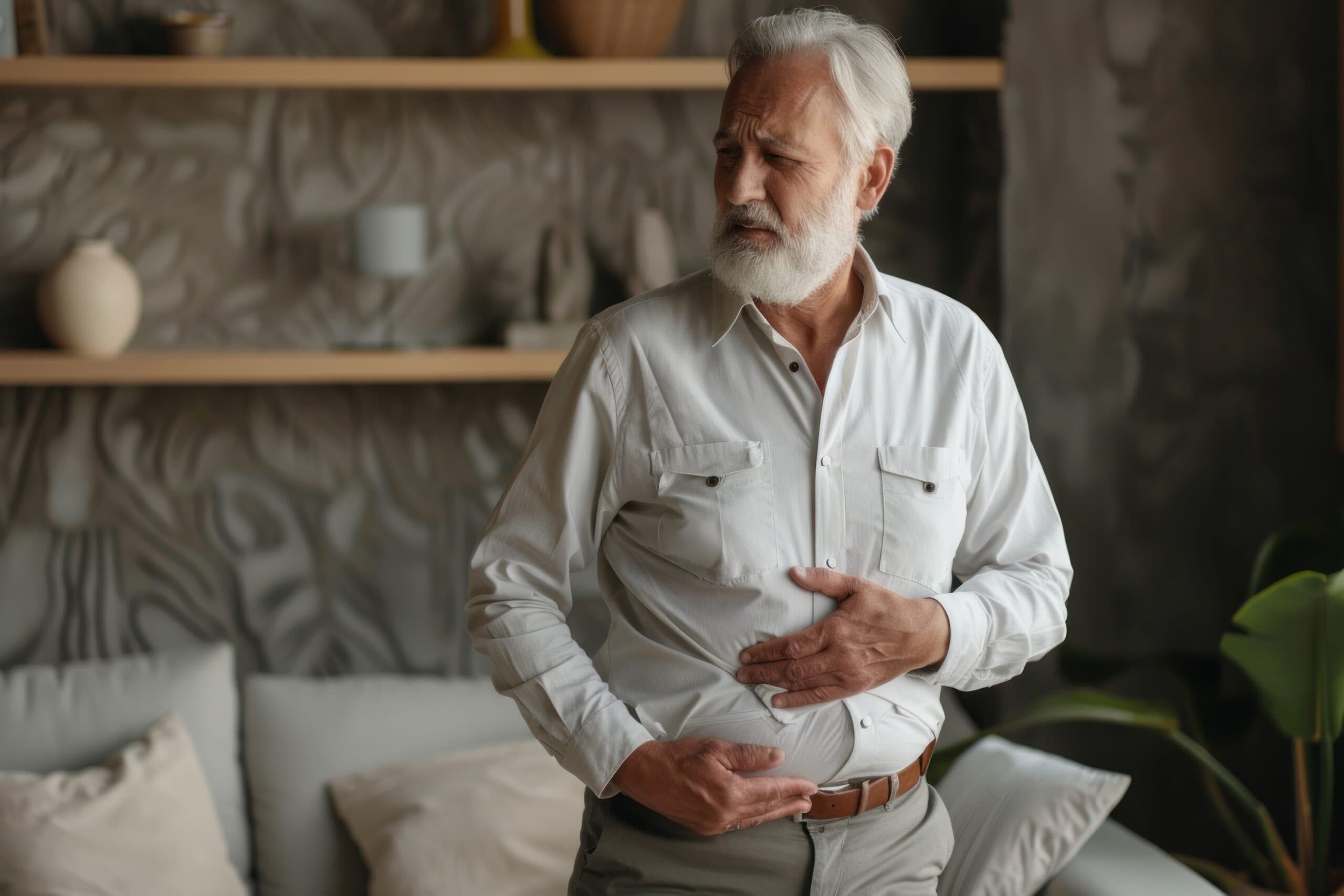
Why Does Constipation Occur After a Colonoscopy?
After a colonoscopy, some patients may have constipation since it can be linked to different steps related to the procedure. Now, I will explain in detail what causes these changes in the planet.
Bowel Preparation Impact
Because it is important to view the colon during the procedure, doctors normally have patients take strong laxatives to make stool leave their bodies. The process can reduce the body’s water content and make the colon a bit lazy for some time, which may lead to constipation.
Sedation Effects
During a colonoscopy, medication is usually given to relax the muscles in the body. They may remain in the digestive tract for a short period and slow down the bowel movements.
Dietary Changes
Prior to a colonoscopy, people are usually asked to eat a low-residue or clear liquid diet for at least a day. A lack of solid and high-fiber foods in the diet can impact the usual pattern of digestion. If you recover gradually from a procedure and still go back to your normal eating habits too slowly, it may result in constipation.
Physical Inactivity Post-Procedure
After having a colonoscopy, patients are often told by doctors to take it easy for the remainder of the day. When you move less, it can slow down the digestive system’s ability to remove waste.
How to Relieve Constipation After a Colonoscopy
You can try several ways to solve constipation after having a colonoscopy.
Rehydrate Thoroughly
Drinking water helps a lot in your recovery. If drinking water is difficult, IV Therapy in Midtown can help restore fluids quickly. Drinking bowel prep leads to a loss of water in the body, making the stools hard. Ensuring you drink enough water will make your stools easier to pass and help your digestive system.
Incorporate Fiber-Rich Foods
Start including oats, lentils, brown rice, apples, and leafy greens into the meals you eat. Fiber softens the stool, and it sparks more contractions, aiding waste being eliminated from the colon.
Consider Natural Laxatives or Stool Softeners
You can use docusate sodium or try prunes or psyllium husk, as they are mild enough to help with stool problems but not rough on your digestion. Get guidance from a physician before you begin to use any medications or supplements.
Engage in Gentle Physical Activity
You can boost abdominal muscle activity and bowel movement by walking for a short period or doing some stretching. Moving encourages the intestines, so constipation is often cleared up more easily.
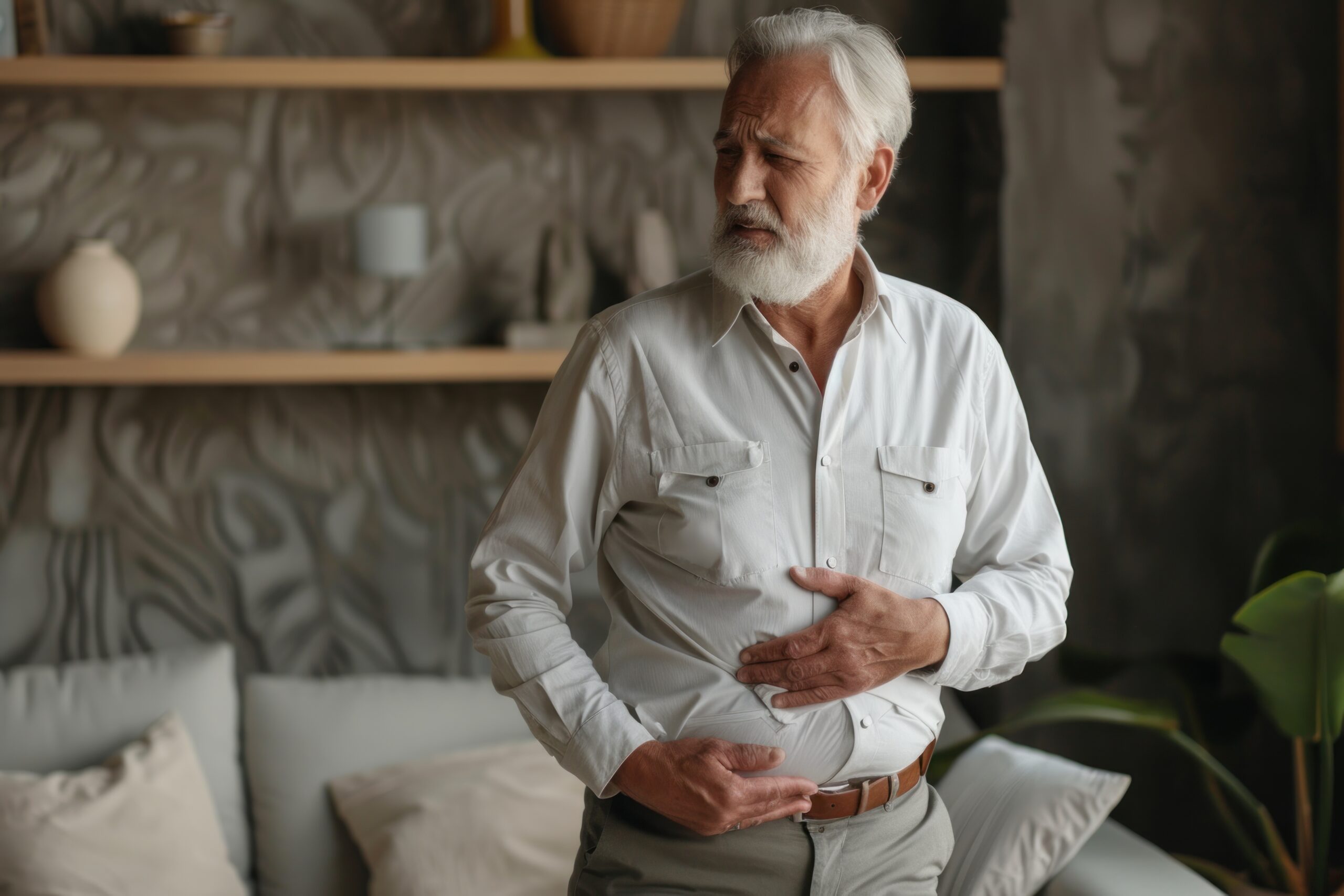
When Should You Be Concerned?
Most of the time, any constipation after a colonoscopy will clear up in a few days, but there are some signs that might mean there is a complication. You should consult a specialist at Gastroenterology Associates of New York if you experience trouble with any of the symptoms below.

- A delay in making bowel movements persists for 3-4 days
- Severe abdominal pain or cramping
- Bloating that persists even after a while
- Nausea or vomiting
- Blood included in the stool
- Signs that people may have an infection, for example, feeling feverish or suffering from chills
Such troubles could mean that a person is experiencing a rare issue, such as bowel obstruction, or an adverse reaction to the bowel preparation.
Conclusion
Post Colonoscopy constipation is a predictable but benign syndrome and should resolve in the context of resumed hydration, dietary fiber, and mild activity. One must keep in mind that this reversible syndrome is the normal reaction to the aggressive colon preparation and diet that are concurrent with the procedure. Refractory or severe symptoms should not be ignored as they can indicate a complicating condition that is treatable by a physician.
At Gastroenterology Associates of New York, we go out of our way to care for your digestive health before, during, and after your procedure. Our board-certified gastroenterologists possess the qualifications to provide you with complete care so your healing process is smooth and trouble-free. In case you have ongoing constipation or other problems following colonoscopy, we ask you to make an appointment for a follow-up with us.